Joints, fasteners & fittings — bearing, bypass, tear-out and net-section checks.
Section 3 / joints, fasteners, and fittings
Bearing, bypass, tear-out, net-section, lug, pin, bolted-joint, insert, and fitting load transfer checks.
Joints, fasteners & fittings — bearing, bypass, tear-out and net-section checks.
NASA-STD-5020A fastener torque, preload and locking-feature analysis.
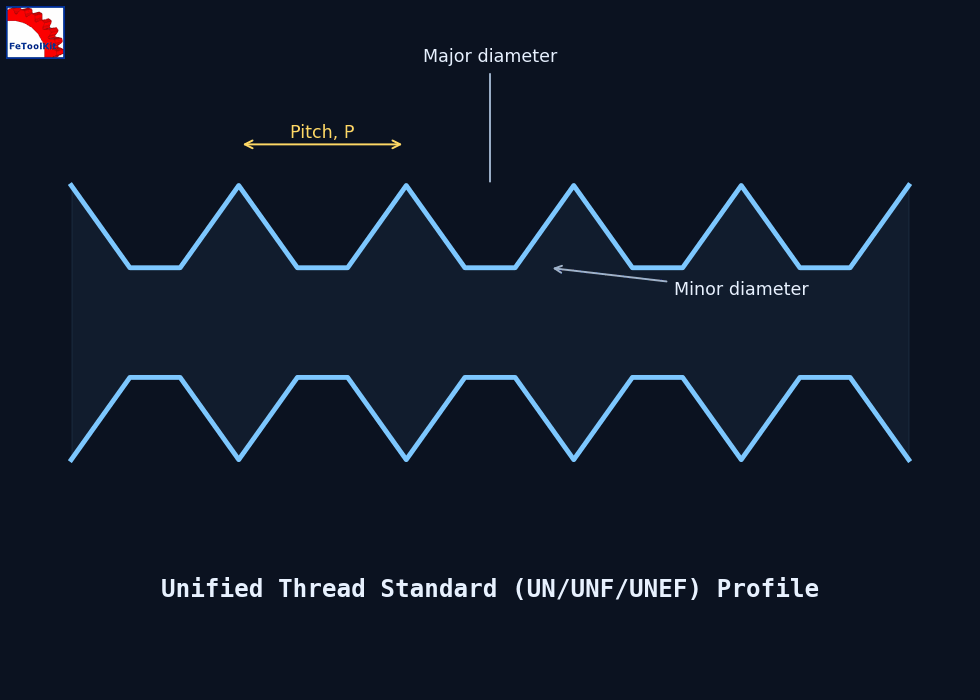
Unified Thread Standard (UN/UNF/UNEF) dimension lookup, Class 2A/2B.
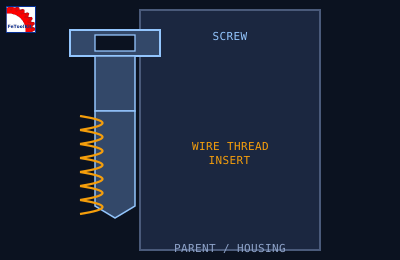
Threaded fastener and wire thread insert joint analysis — strength, stiffness, and torque-to-preload.
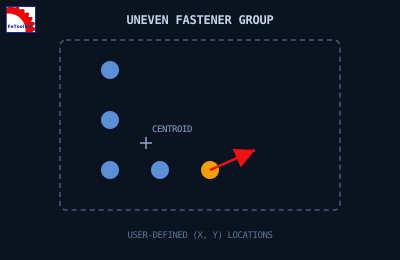
Eccentric shear joint, version 2 — user-defined fastener locations for an uneven/irregular group.
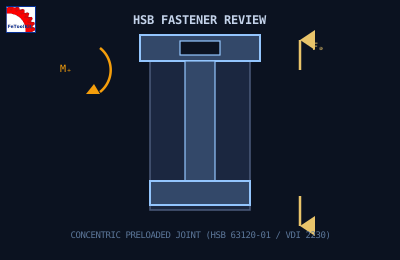
HSB Fastener Review — concentric preloaded joint capability per HSB 63120-01 / VDI 2230 practice: torque-to-preload range, joint stiffness, residual clamp, fatigue and bearing checks.
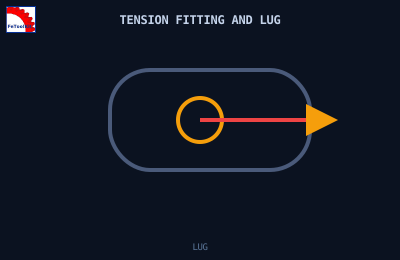
Tension fitting and lug analysis — corner fittings, pad washers, and tapered lugs.
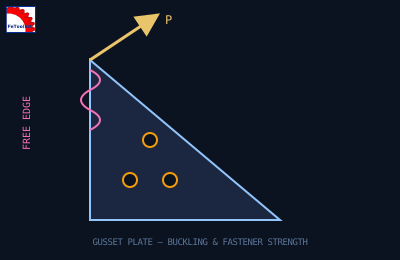
Triangular/rectangular gusset plate capability screen: ESDU/Bruhn-style plate buckling, Euler column buckling of the loaded strip, and fastener bearing, shear-out and net-section strength, with margins of safety.
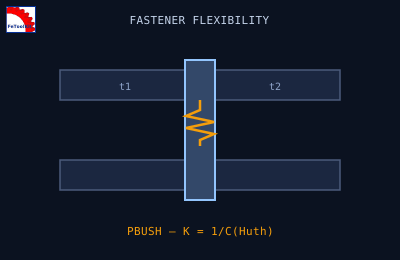
FEM fastener PBUSH shear and axial stiffness from Huth's published semi-empirical fastener flexibility method, plus a fastener shear-stress margin check.
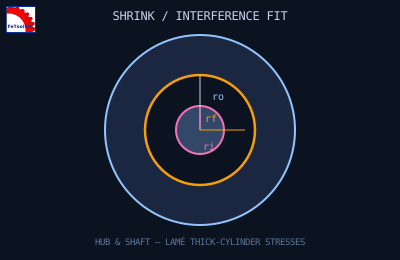
Hub-and-shaft shrink fit / interference fit capability screen using Hamrock's published Lamé thick-cylinder interference-fit theory: interference pressure, radial interference, hub and shaft stresses, thermal assembly gap, and margins of safety.
VDI 2230 / MIL-HDBK-60 style bolt preload analysis: torque-to-preload, tightening von Mises equivalent stress and utilization ratio, embedding (settling) preload loss, and residual-clamp margins.

ESDU 87007 / Bruhn-Niu style clevis lug and pin static-strength review: net-tension, shear-bearing and transverse lug efficiency checks, Cozzone pin bending, pin shear, and spherical bearing margins.

Bruhn/Niu style rigid-plate fastener-group analysis: centroid, polar moment of inertia, per-fastener direct and torsional load distribution under combined shear and moment, and critical-fastener margin.

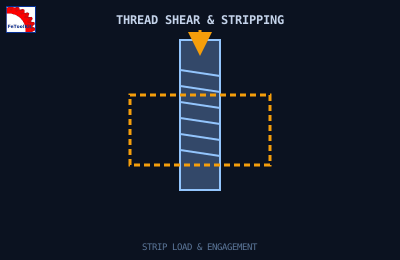
Thread shear areas and stripping loads for the bolt and the nut or tapped hole, the bolt tensile capacity and the engagement length needed to balance them.
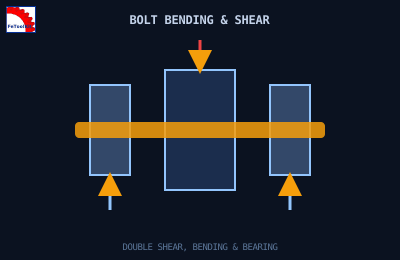
Bending moment, shear, bearing and combined bending-shear margin for a bolt or pin in double shear through a lug and clevis.
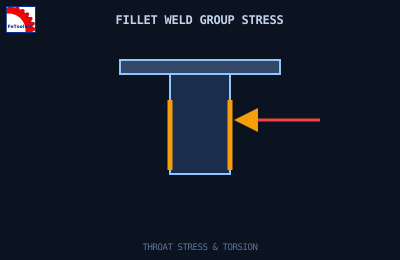
Throat stress and margins for a fillet weld group under shear, torsion, axial force and bending using the weld-as-a-line method.
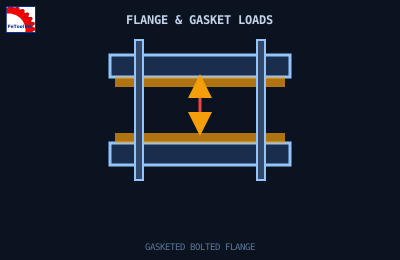
Bolt loads for gasket seating and operation, required bolt area, bolt margin and gasket contact stress for a bolted flange.
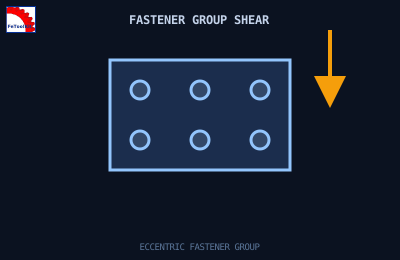
Shear load on each fastener of a pattern under an eccentric load: direct and torsional parts, worst fastener and margin.
Preload from tightening torque with a nut factor, preload spread from wrench and friction scatter, and bolt stress margin.
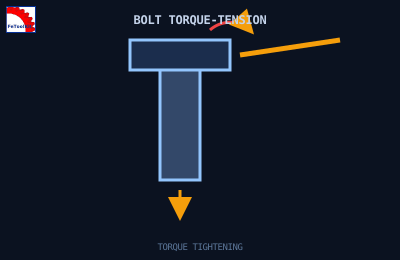
Shear and bearing stress in a rectangular shaft key, shaft shear stress, margins and required key length.
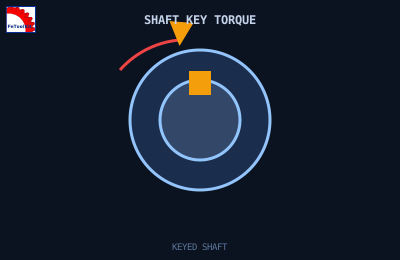
Peak bending moment, stresses and margins for a pin in double shear through a center lug and two outer lugs.
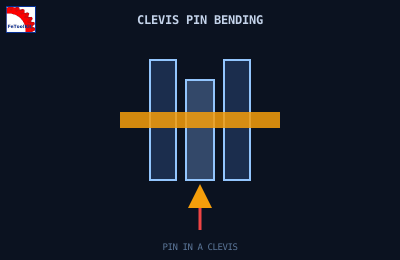
Preload change, bolt stress and clamp loss for a bolt and clamped stack with different expansion.
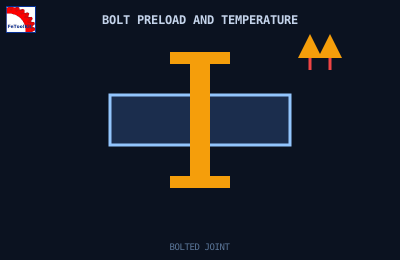
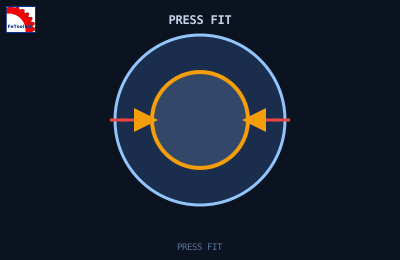
Contact pressure, hub bore stress and friction torque capacity of a solid shaft pressed into a hub.
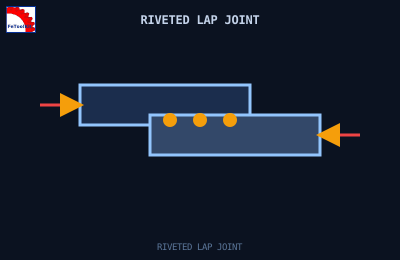
Rivet shear, plate bearing and net-section capacity and margin for a riveted lap joint.
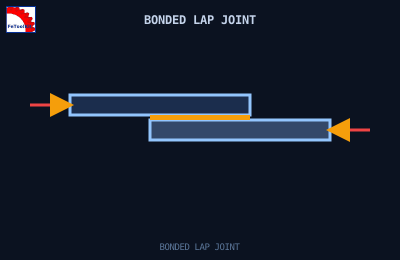
Peak and average adhesive shear stress and margins in a single-lap bonded joint.
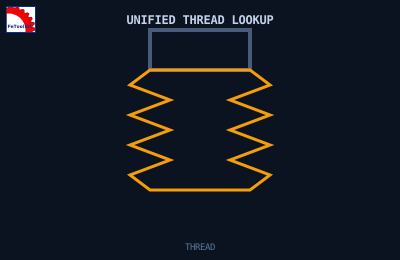
Dimensions and tensile stress area of coarse and fine unified threads, with tensile capacity.
Tightening torque for a target preload, preload scatter and yield margin at the highest preload.
Pin shear capacity (single or double) and member bearing capacity, with margins.
Raising and lowering torque, efficiency and self-locking of a power screw.
Separation, yield, ultimate, shear and combined margins for a preloaded bolt in a joint.
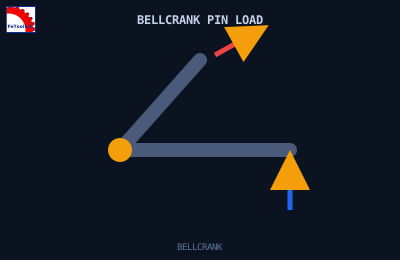
Output force, pin reaction and bearing stress of a bellcrank with two arms at an angle.
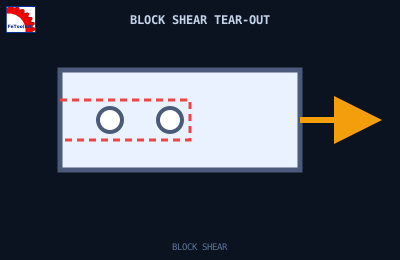
Block shear tear-out capacity of a plate at a fastener row.
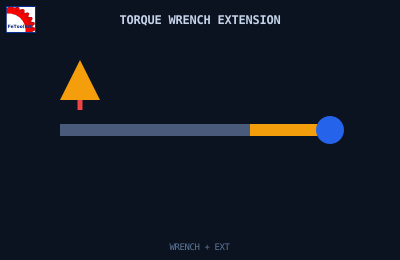
Corrected torque wrench setting when an extension is added, with the over-torque if not corrected.
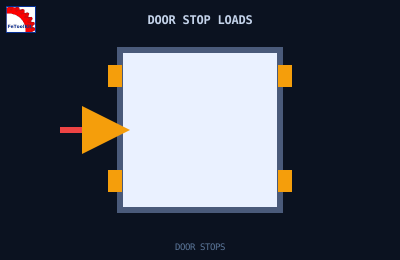
Pressure load on a plug door and the load per stop fitting with a sharing factor.
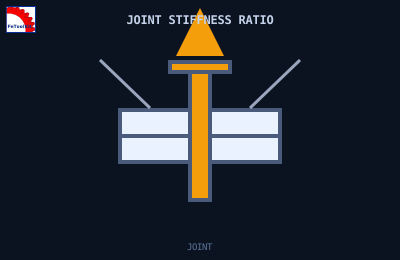
Joint constant, bolt load and clamp load remaining under an external pull.
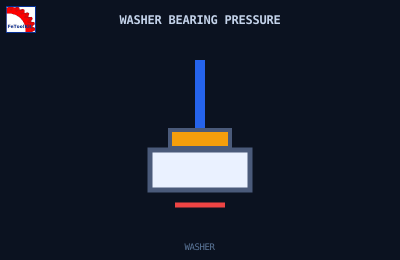
Bearing pressure under a washer or bolt head and the washer size for an allowable.
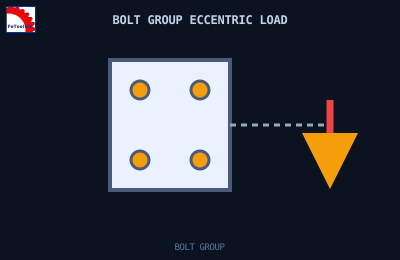
Direct and twisting load on each bolt of a pattern for an off-center in-plane load.
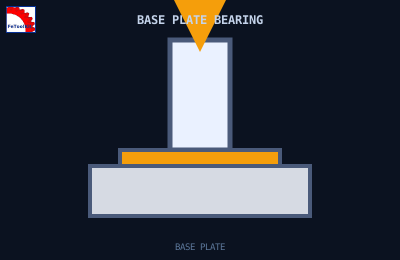
Concrete bearing and plate thickness for a column base plate.
Alternating and mean bolt stress with Goodman and yield margins.
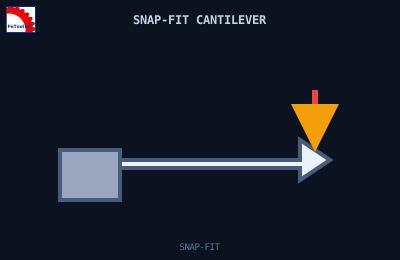
Strain, bending force and insertion force of a cantilever snap-fit arm.
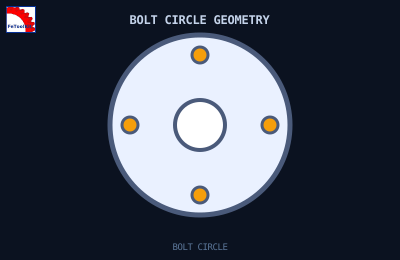
Spacing, web and edge distance of equally spaced holes on a bolt circle.
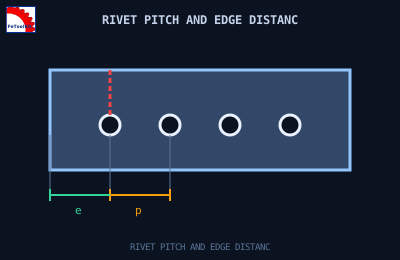
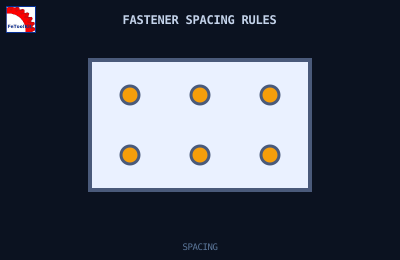
Pitch, row spacing and edge distance of fasteners as diameter multiples.
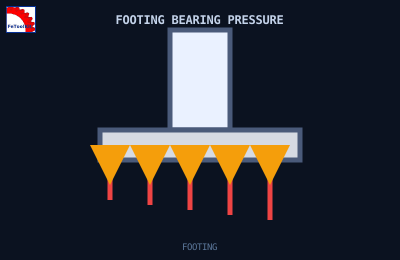
Maximum and minimum soil pressure under a rectangular footing with moment.
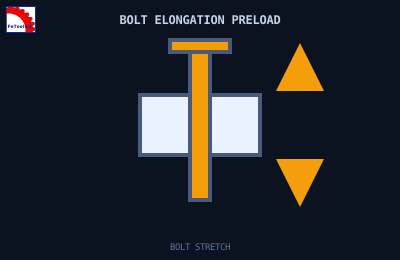
Bolt stretch for a preload, or the preload implied by a measured stretch.
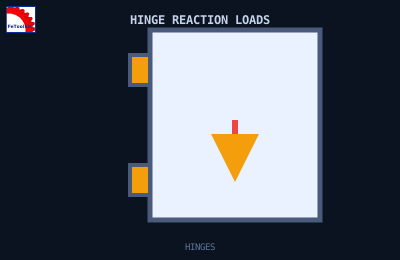
Loads on the top and bottom hinges of a door from weight, width and spacing.
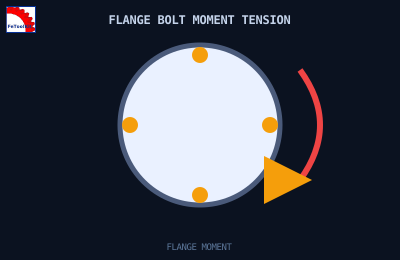
Largest bolt tension in a circular pattern from a moment and axial load.
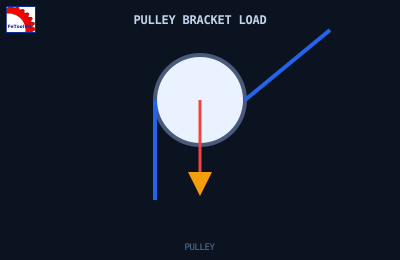
Pulley bracket load and cable bend ratio.
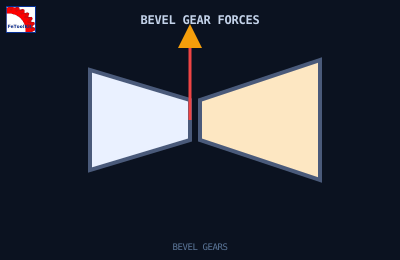
Tooth forces on a straight bevel pinion.
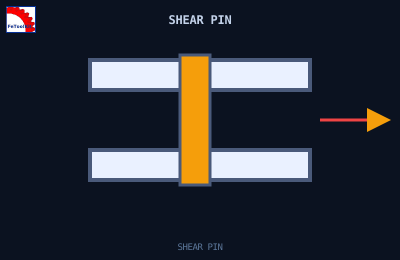
Shear pin diameter and release load range.
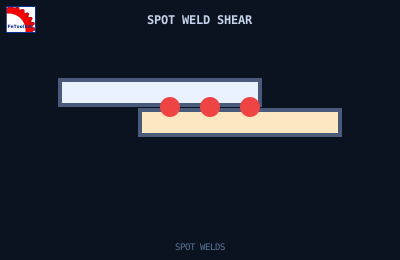
Shear capacity of a row of spot welds.
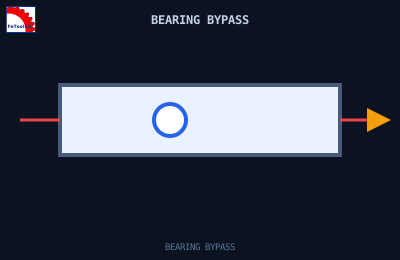
Bearing and bypass interaction at a fastener hole.
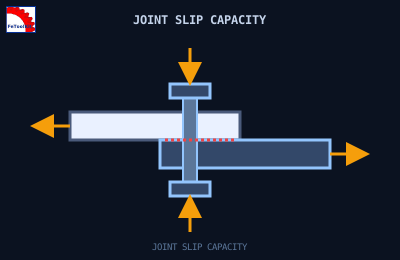
Slip capacity of a friction bolted joint.
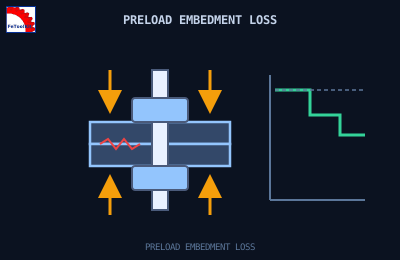
Preload loss from joint settling.
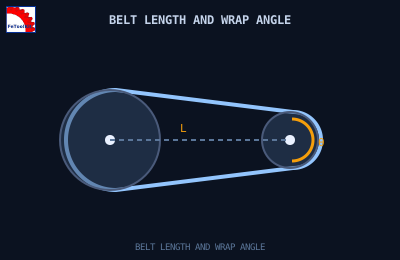
Two pulleys joined by an open belt need a belt of a set length, and the small pulley sees a wrap angle.
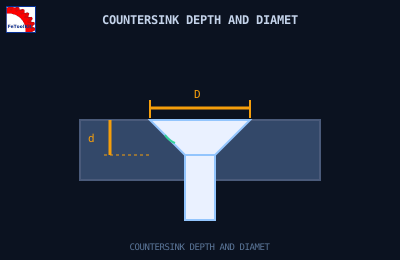
A flush fastener head needs a conical recess.
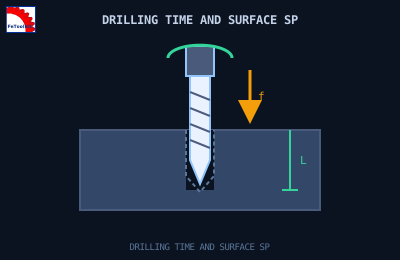
The time to drill a hole depends on depth, feed and spindle speed.
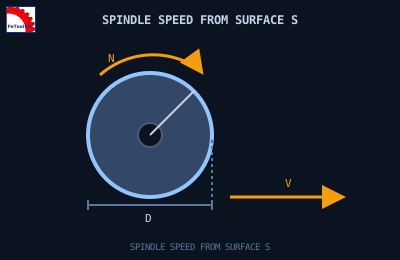
A cutting speed in feet per minute turns into a spindle speed once the tool or work diameter is known.
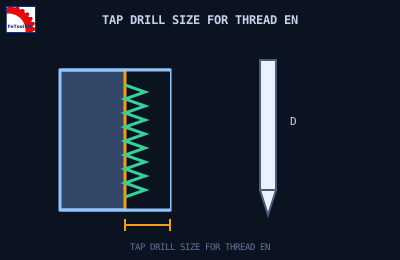
The tap drill size sets how much of the thread is cut.
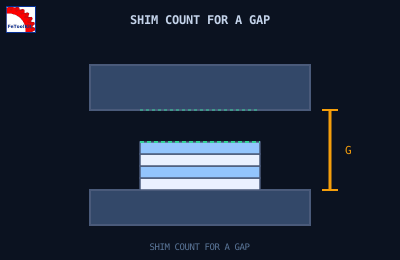
A gap measured at assembly is closed down to the target with equal shims.
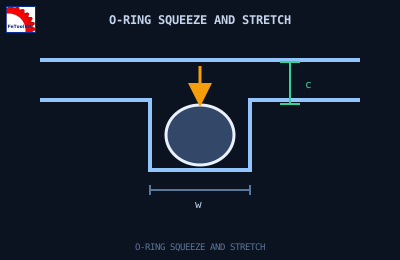
A seal ring works by being squeezed in its groove and stretched on its seat.
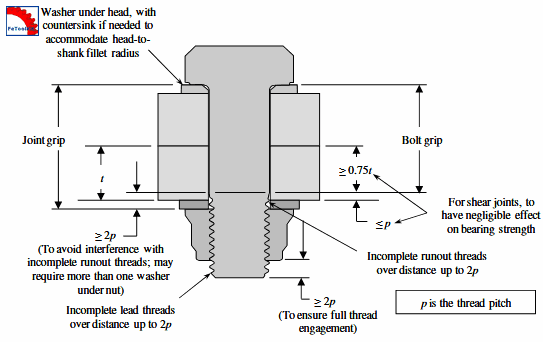
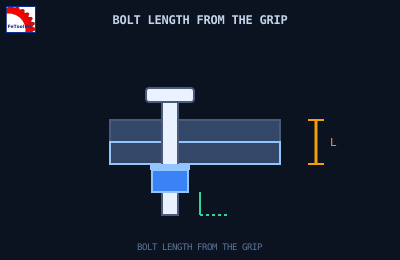
The right bolt length depends on the stack it clamps, the washer and the nut, plus thread showing past the nut.
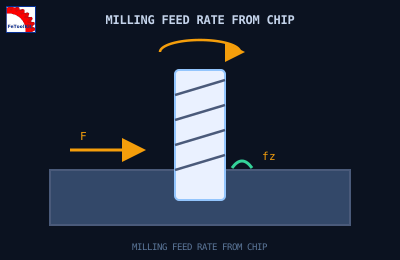
The table feed of a milling cutter follows from the number of teeth, the spindle speed and the chip taken by each tooth.
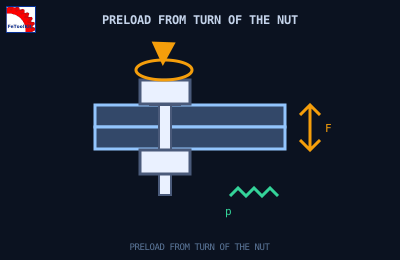
Turning a nut a set angle past snug stretches the bolt and squeezes the joint by the thread advance.
Rivets set too close together or too near an edge tear out the sheet.