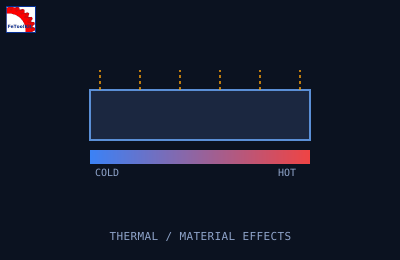
Thermal strain and stiffness knockdown across a service temperature range.
Section 3 / thermal and material effects
Thermal strain, material knockdowns, stiffness changes, elastic allowables, and design sensitivity studies.
Thermal strain and stiffness knockdown across a service temperature range.
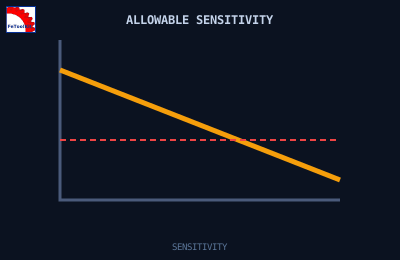
Material allowable sensitivity study (A-basis / B-basis) across temperature and environment.
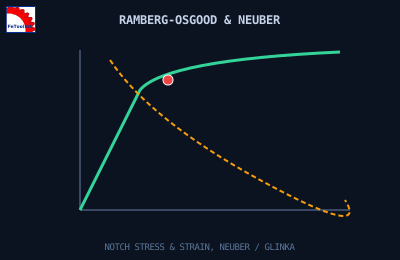
Ramberg-Osgood curve with Neuber and Glinka notch corrections for local stress and strain at a stress concentration.
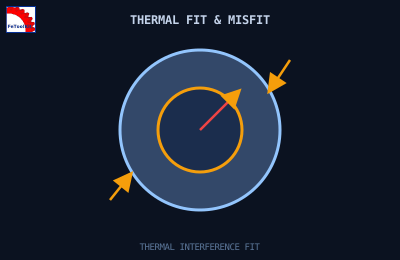
Interference, contact pressure and interface stress of a pin, shaft or bushing fit in a housing when the parts expand differently with temperature.
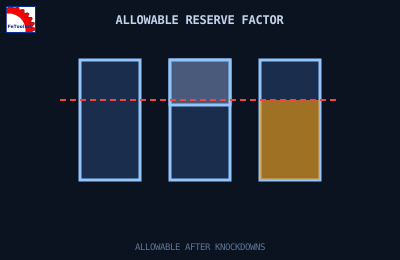
Reserve factors and margins after temperature, basis and special-factor knockdowns, with the sensitivity of the margin to the allowable.
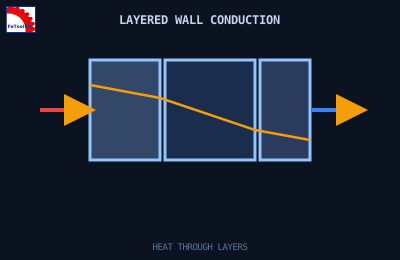
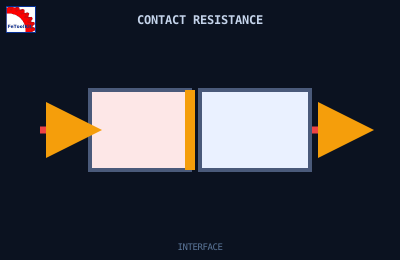
Steady heat flow and interface temperatures through up to three metal layers with contact resistance.
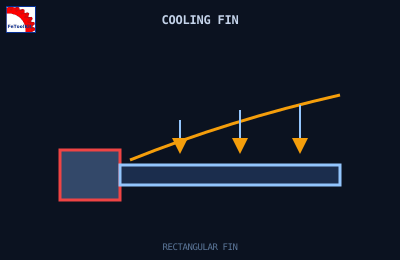
Heat flow, efficiency, effectiveness and tip temperature of a straight rectangular fin.
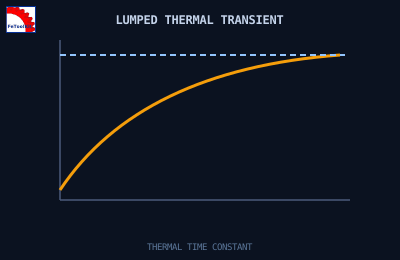
Exponential heating or cooling of a thin part: time constant, Biot number, temperature at a time and time to a target.
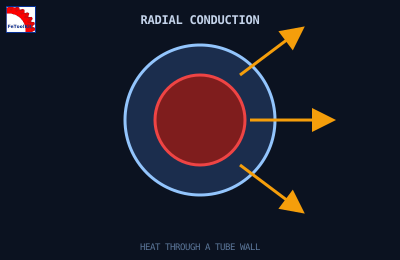
Steady radial conduction through a tube wall with an outside film: heat flow, outer surface temperature and temperature profile.
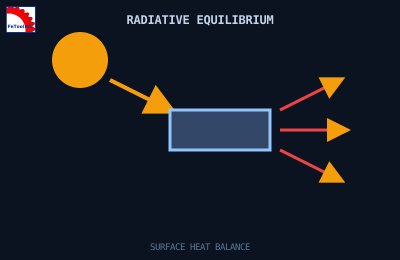
Equilibrium surface temperature from the balance of absorbed sunlight and internal heat against radiation and convection.
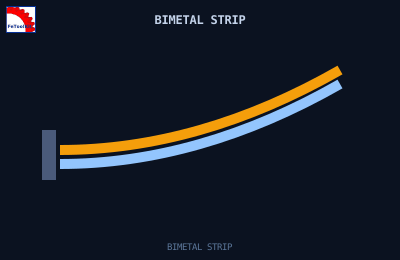
Curvature, radius and cantilever tip movement of a two-layer strip with different expansion coefficients.
Reynolds number, Nusselt number, heat transfer coefficient and heat moved for flow in a round pipe.
Volume flow, mass flow and jet velocity through a sharp orifice from the pressure drop.
Friction factor, pressure drop and head loss for flow in a round pipe.
Temperature at depth, surface heat flux and penetration depth in a thick solid after a surface temperature step.
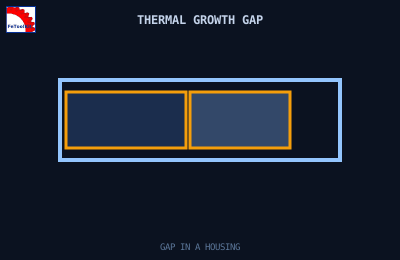
Gap change and closing temperature for a stack of parts in a housing with different expansion.
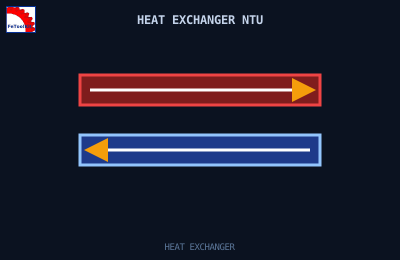
Effectiveness, heat transferred and outlet temperatures of a counterflow or parallel-flow heat exchanger.
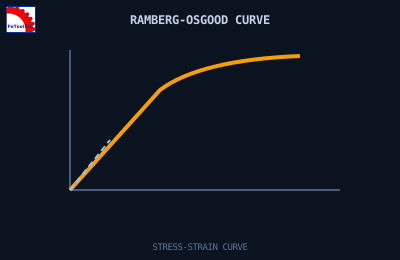
Strain, plastic strain, secant and tangent modulus at a stress by the Ramberg-Osgood relation, with the curve.
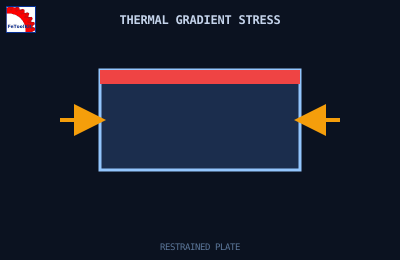
Thermal stress from a gradient through a plate or from a uniform rise with restrained expansion.
Margin after allowable knock-down and load growth, with break-even values.
Kinetic energy, heat sink temperature rise, final temperature and stopping distance for a braking stop.
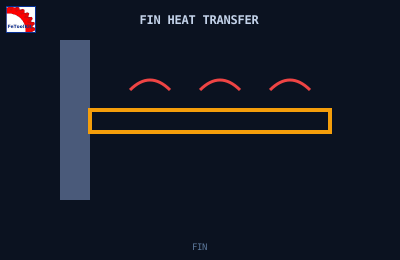
Heat flow, efficiency, effectiveness and tip temperature of a straight rectangular fin.
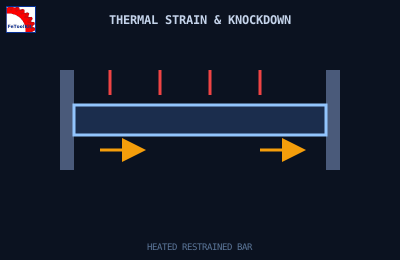
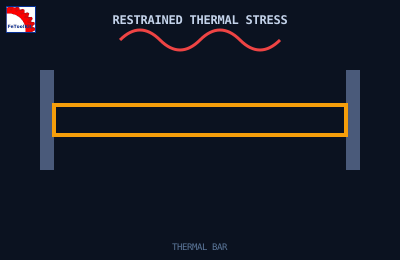
Free growth, and the stress and force in a bar held against thermal growth, with yield margin.
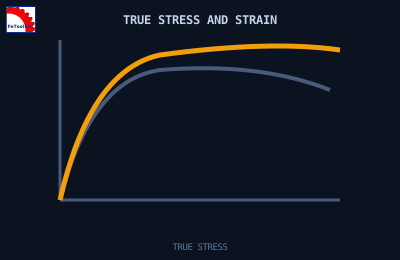
Engineering to true stress and strain, plastic strain, and a two-point power law fit.
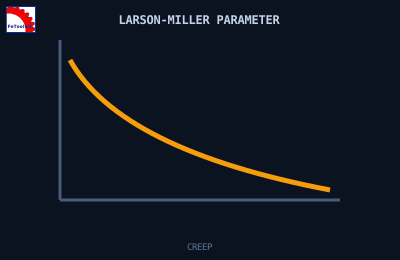
Larson-Miller parameter and equivalent creep time or temperature.
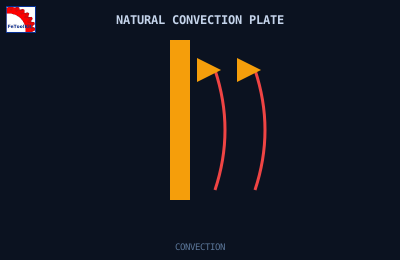
Film coefficient and heat loss of a vertical plate in still air by natural convection.
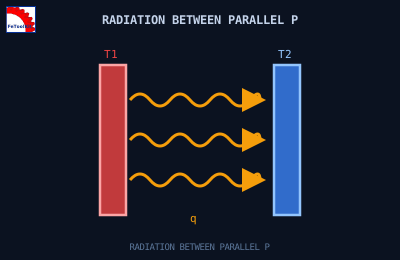
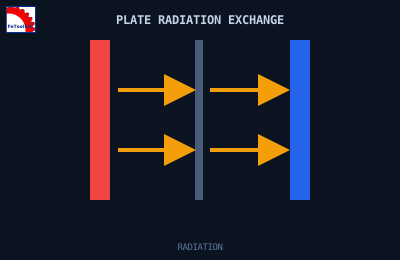
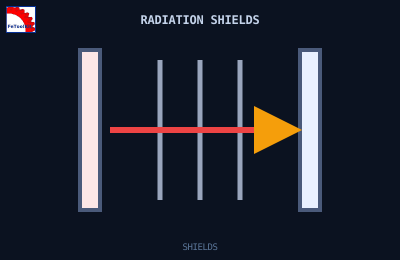
Net radiant exchange between parallel gray plates and the effect of radiation shields.
Center and surface temperature of a plate suddenly exposed to a hot or cold fluid.
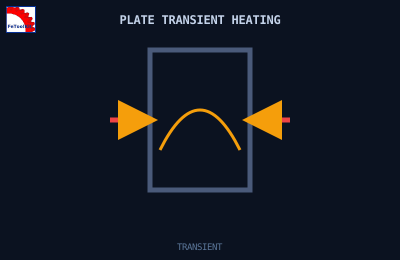
Peak surface stress in a plate after a step change in surface temperature, from the Biot number.
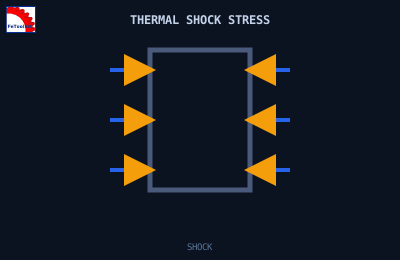
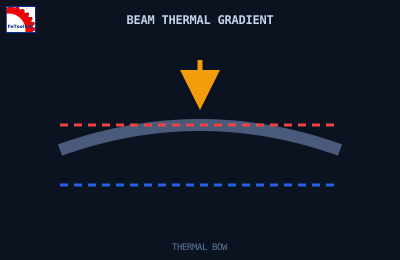
Curvature and deflection of a beam with a temperature difference across its depth, with the held-straight stress.
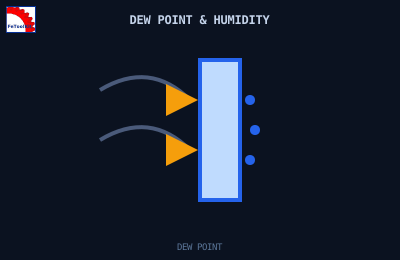
Dew point, vapor pressure and humidity ratio from temperature and relative humidity.
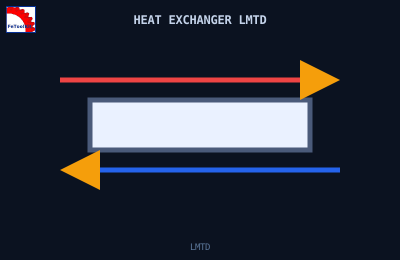
Log-mean temperature difference and required area for a counter-flow or parallel-flow heat exchanger.
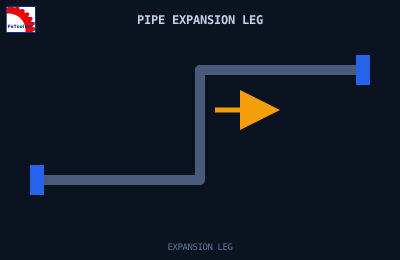
Thermal growth of a pipe run and the bending stress in an expansion leg.
Temperature rise of a fluid carrying a heat load, and the flow needed for an allowed rise.
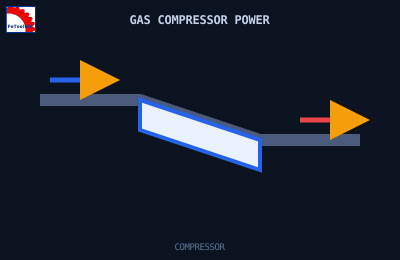
Single-stage compressor power and discharge temperature for common gases.
Temperature drop through two layers and an interface in series.
Radiant heat flow between two surfaces with a chosen number of shields.
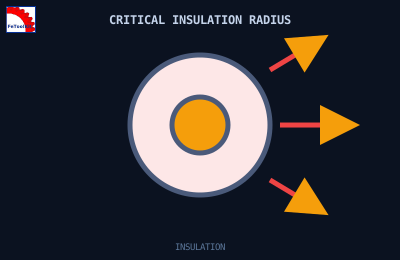
Heat loss of an insulated pipe and the critical insulation radius.
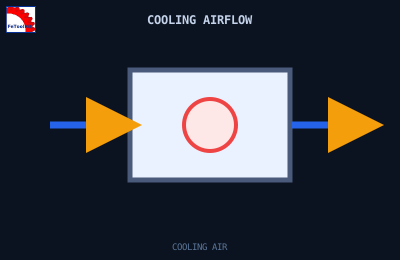
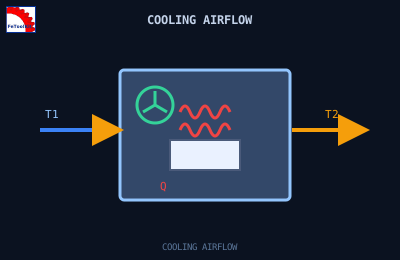
Airflow to remove a heat load for an allowed air temperature rise.
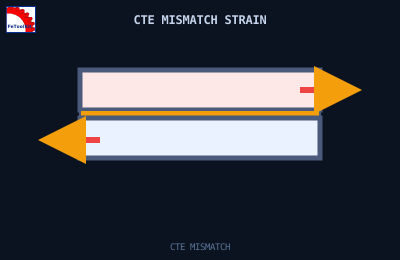
Shear strain in a bonded joint from thermal expansion mismatch.
Dew point and condensation margin of a surface.
Pressure rise in a heated, sealed liquid volume.
Boil-off rate and hold time for a stored liquid.
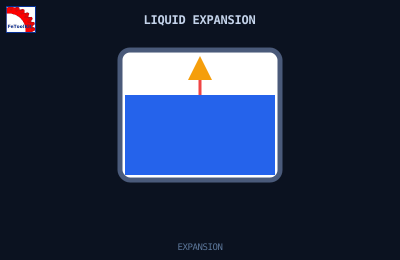
Liquid expansion and tank ullage check.
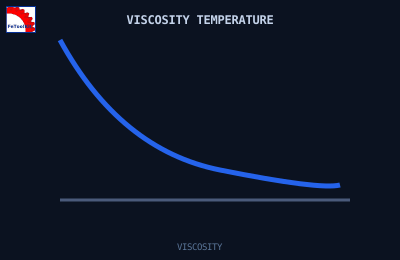
Oil viscosity from two points on the log-log line.
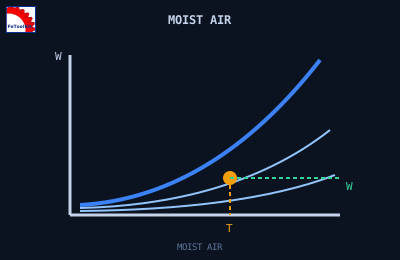
Humidity ratio and enthalpy of moist air.
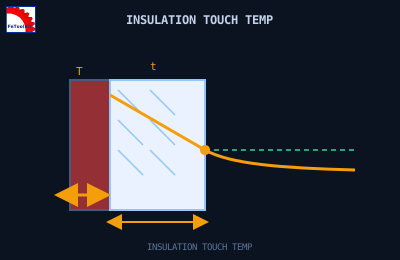
Insulation needed for a touch-safe surface.
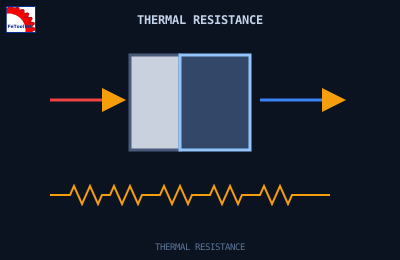
Series thermal resistance through a two-layer wall.
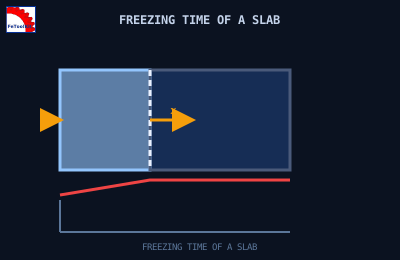
A slab of liquid freezes from the outside in, at a rate set by the latent heat and the heat paths.
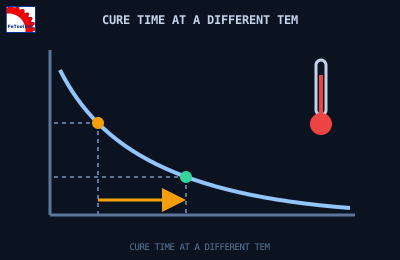
Many cures and aging effects speed up with temperature in a way the Arrhenius law describes.
Air flow needed to remove a heat load.
Two large facing plates at different temperatures exchange heat by radiation.